Back

Product · Shaft connection & protection

Torque Limiters

Safety couplings that slip on overload — friction-disc and ball-detent, adjustable trip torque.

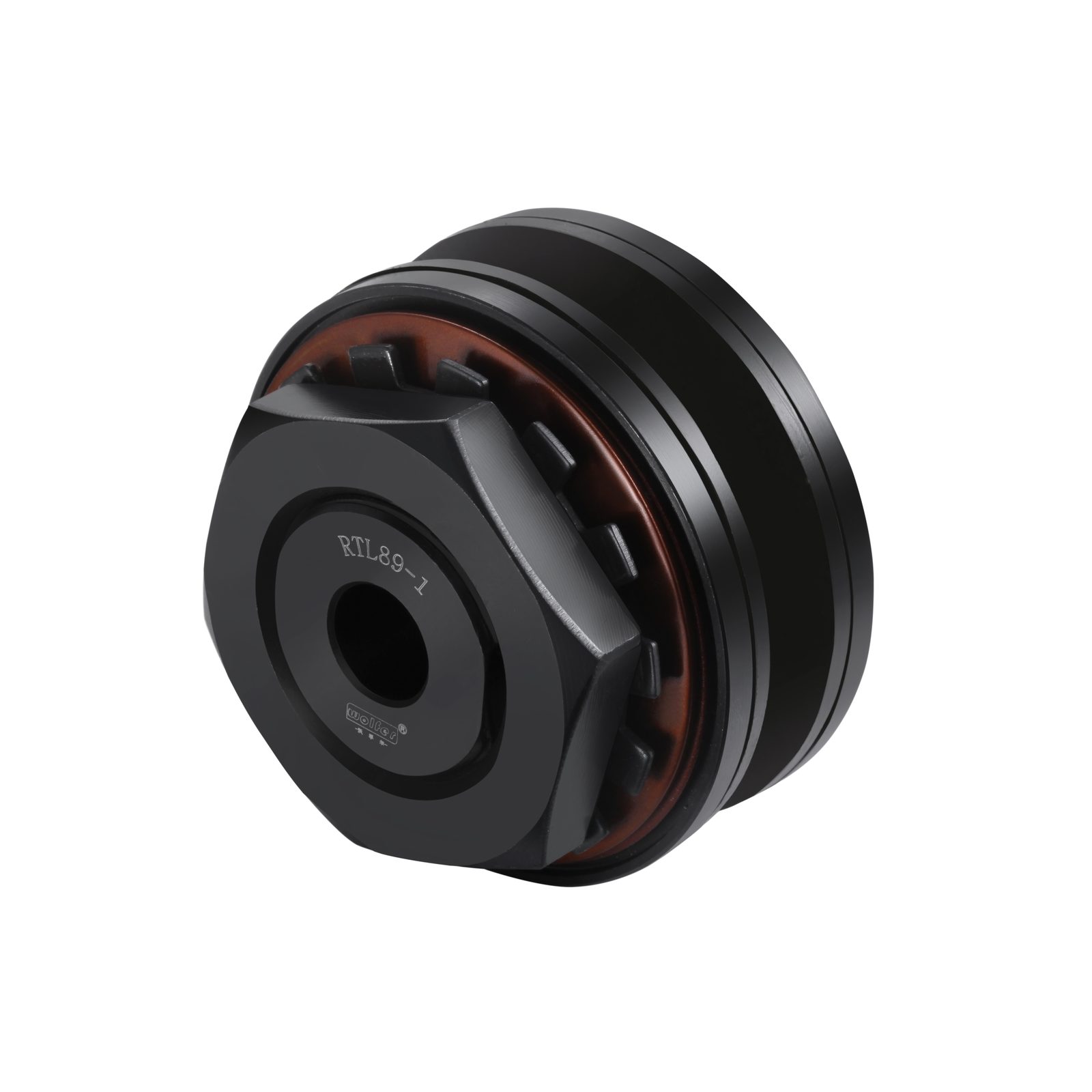
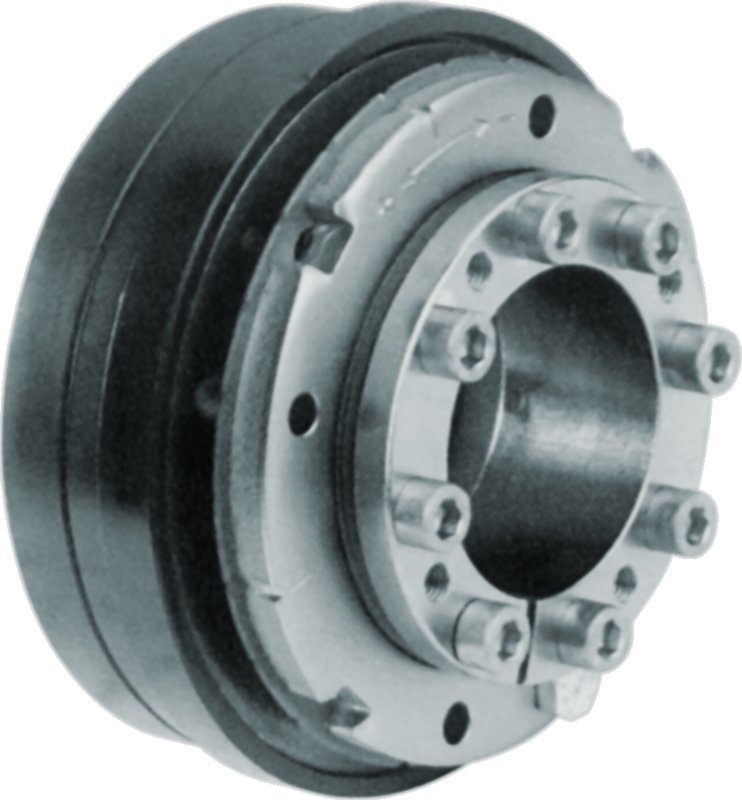
Wolfer manufactures torque limiters (safety couplings) that protect downstream gearboxes, motors, and tooling from torque spikes. Two operating principles dominate: friction-disc limiters (smooth slip, continuous protection) and ball-detent limiters (positive disengagement, instant indication). Both are available with adjustable trip torque and a matched coupling / pulley / sprocket body.

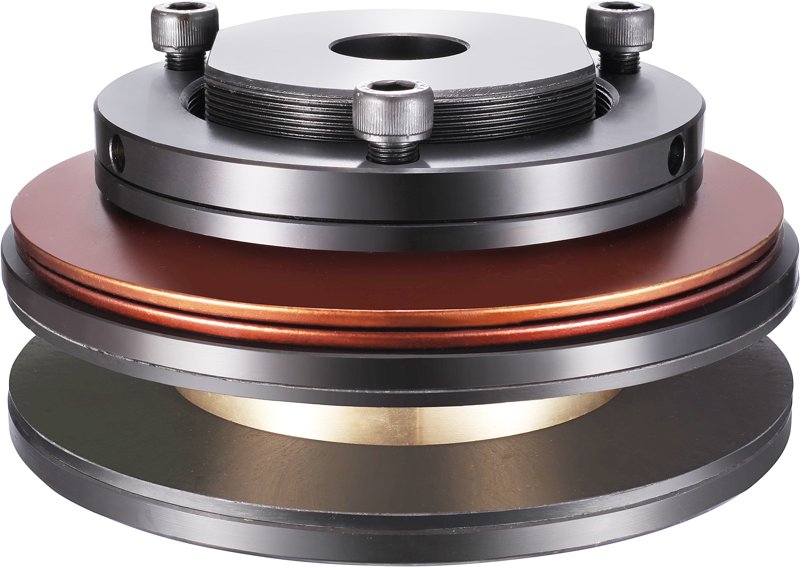
Wolfer torque limiter · friction · ball-detent · adjustable · OEM custom in China

Gallery

Product Showcase

Click any category to open its datasheet (PDF). Categories without a photo are left blank.

What we make

Torque Limiters we cut from drawings.

Friction-disc (slip type)

Continuous slip on overload — best for conveyor & packaging

Ball-detent (disengaging)

Positive disengagement at trip — best for collision protection

Adjustable trip torque

Spring pre-load adjustable via nut — repeatable to ±5%

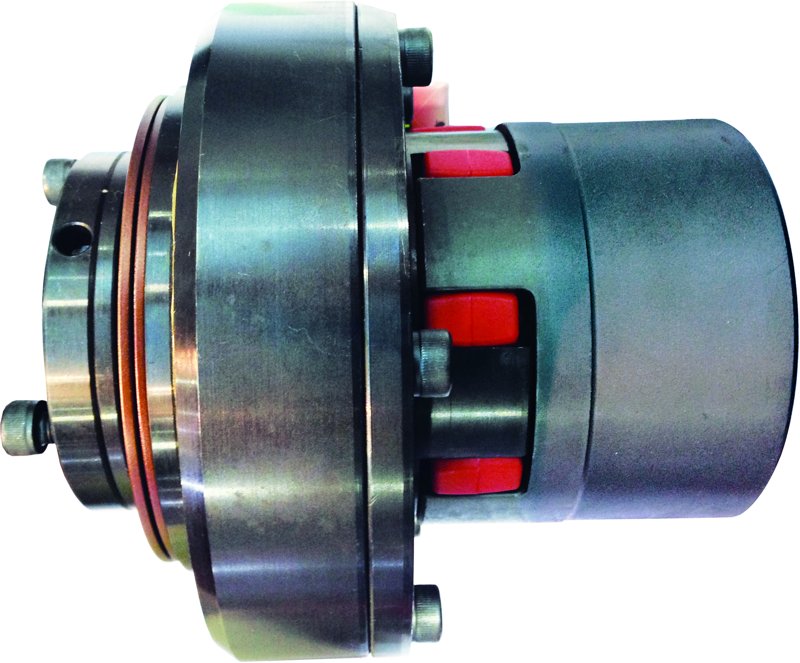
With integrated coupling

Combined torque limiter + flexible coupling in one body

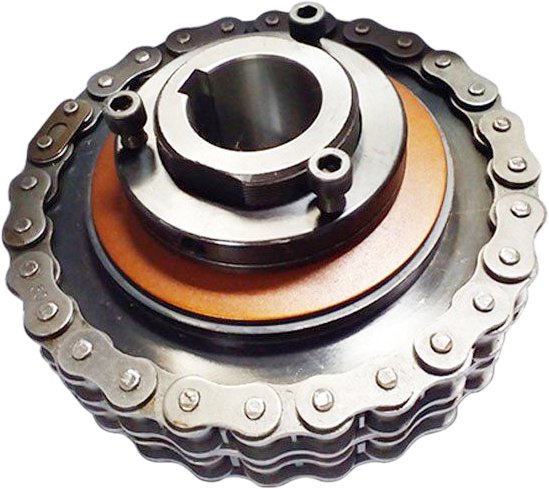
With integrated pulley / sprocket

Torque limiter built into a timing pulley or sprocket hub

Shear-pin (single-use)

Lowest cost, most precise trip — pin replaced after each event

When a conveyor jams or a robot end-effector collides with a fixture, the motor's stall torque can crush gear teeth and snap shafts in milliseconds. A torque limiter sits between the motor and the downstream load — when torque exceeds the set value, the limiter slips (or disengages, in ball-detent style), stopping the damage.

Friction-disc limiters use a spring-loaded clutch pack — torque ramps until the spring pre-load is exceeded, then the clutch slips smoothly. Best for continuous loads (conveyors, packaging lines). Ball-detent limiters use spring-loaded balls riding in pockets — at trip, the balls pop out, the two halves spin independently, and a proximity-sensor flag signals 'overload'. Best for collision protection (robots, indexers).

We manufacture units with a plain through-bore, or with an integrated coupling / pulley / sprocket body so the limiter replaces an existing transmission element without adding length to the shaft.

Standards

Built to international tolerance specs.

  • ISO 14691 (general flexible / safety couplings)
  • KTR / R+W / Mayr pattern compatibility

Inspection

Every part measured before it ships.

  • Static torque test (calibrated wrench)
  • Trip torque repeatability test — multi-cycle slip test
  • Dynamic balance for limiters running > 3,000 rpm

Applications

Where these parts go to work.

FAQ

Common questions from engineers buying this product.

Friction vs. ball-detent — how do I choose?

Use a friction limiter when overload is continuous and you want the motor to keep turning while the load is held back (conveyors, packaging). Use a ball-detent limiter when overload means "something just crashed" and you need instant signaling to halt the machine (robots, indexers).

Can you integrate a torque limiter into the pulley or sprocket?

Yes — that is roughly half of our torque-limiter business. The limiter sits inside the pulley / sprocket hub, so installation simply replaces the existing transmission element. We need the OEM drawing of the pulley / sprocket the limiter must fit.

How precise is the trip torque?

±5% of the set value, repeatable across cycles. For one-time precision protection (e.g. dynamometer test stands) we recommend shear-pin units, which are repeatable to ±1% but must be replaced after each trip.

Related products

Often quoted together.

Ready to start your torque limiters project?

24-hour quote · engineering review within one business day · ≤ 30 days to ship after approval.

This is a preview of the Torque Limiters product page

return to home preview

preview build